Drop Down MenusCSS Drop Down MenuPure CSS Dropdown Menu

Monday, February 23, 2015

SINGAPORE’S NATIONAL HOLIDAYS IN 2015


There are total 10 national holidays in Singapore. Singapore is a multi-ethnic country and they observe many different religious holidays. If you are lucky to hit there at the right time, you may experience some religious festivals while traveling in Singapore.


Jan 1st (Thur): New Year's Day

pixabay

Most of countries in the planet take a break on Jan 1st


Feb 19th~20th (Thur~Fri): Chinese New Year


wikipedia

It’s the first day of the year for those who count Lunar New Year. Chinese New Year is declared a national holiday in Singapore since many of Singaporeans are Chinese descendants.


Apr 3rd (Fri): Good Friday


wikimedia

It’s for commemoration of the crucifixion of Jesus Christ. 18.3% of the Singaporean population are Christian. 


May 1st (Fri): Labour Day

flickr/andy read

Workers of the world, unite!


June 1st (Mon): Vesak Day

wikimedia

Vesak Day is to celebrate the birth of Buddha. Buddhism is the major religion in Singapore, accounting for 33.3% of the population.


Jul 17th (Thur): Hari Raya Puasa

wikipedia

For Muslims, Hari Raya Puasa is the most important holiday of year. On this day, they celebrate the end of Ramadan. Muslims consists of 14.7% of the Singaporean population.


Aug 9th (Sun)/ Aug 10th (Mon): National Day

wikipedia

It's the independence day for Singapore. Since it’s on Sunday in 2015, they take a break the next day, which is August 10th.


Sept 24th (Thur): Hari Raya Haji

wikimedia
“Hari Raya Haji” refers to the “Festival of Sacrifice.” Muslims have to have a pilgrimage to the Mecca at least once in their life. Hari Raya Haji is held on the following day of this pilgrimage period.


Nov 10th (Thue): Deepavali

flickr/chooyutshing

It’s the biggest religious holiday for Hindis, which means the "festival of lights.” This festival signifies the victory of light over darkness. On this day, the streets are magnificently embellished by a great deal of splendid festival lights. But the exact date of Deepavali can vary depending on the Hindi calender. Hindis make up 5.1% of the Singaporean population.


Dec 25th (Fri): Christmas Day

wikimedia

I will skip this part


Written by Karly

She graduated in a university in Korea double majoring in social studies and political science. After graduation, she worked for a while at the Nation of Assembly of Republic of Korea, but now she is working as a reporter. Having a life goal of being a Asia-specialized travel reporter, she travels around the world in her spare time.

Saturday, February 21, 2015

JAPANESE GEOGRAPHY FOR DUMMIES

Let’s take a closer look into a bit of geography of Japan here.
It will surely help you plan your trip better.


pixabay

Japan is ranked 10th and 62nd in terms of population and land size. Including every single tiny little one, it consists of 6,852 islands, but four main islands take up 97% of its territory.

wikimedia


[ Island > Region > Prefecture ]

Japan is divided in 4 main islands - Honshu, Hokkaido, Kyushu and Shikoku. It has 45 prefectures (administrative divisions)  with the exception of capital city ‘Tokyo’ not belonging to any of these prefectures. Japanese also combine a few neighboring prefectures and call them a region. Only Honshu, the biggest island with 33 prefectures, is divided into 5 regions (Tohoku, Kanto, Chubu, Kansai, and Chugoku).

To sum up, Japanese use islands, prefectures and regions when talking about geography and only prefecture is an administrative district. Let’s practice with an example. Nagano prefecture is on Honshu Island and belongs to Chubu region!


[ 8 Regions & 45 Prefectures ]

Since the railway pass is sold by region, it would be wise to know Japanese regions to schedule your itinerary. Japanese rail service comes in pretty handy when traveling Japan.


1. Hokkaido - Island / Region / Prefecture

wikimedia
The name of island also refers to region and, at the same time, prefecture’s name. Located in the northernmost part not far from Russia, it’s so cold you could see floating ice on the sea. Hokkaido is the perfect place to enjoy the beauty of great nature and hot spring.  


2. Honshu Island 

This biggest island has 5 regions, 33 prefectures and the famous Tokyo. Honshu, equipped with excellent JR service, is always crowded with a great deal of travelers. 


2-1. Honshu - Tohoku

wikimedia
6 prefectures in the northern part of Honshu Island are called Tohoku region. Since a world famous Fukushima nuclear accident took place right here, you must have heard of it. It’s hot during summer but freezing with lots of snow in winter. Being not a popular travel spot, Tohoku is recommendable for travelers looking for tranquility, serenity or a bit of exposure to radioactivity.  


2-2. Honshu – Kanto
wikimedia
Kanto has 6 prefectures and the capital of Japan, Tokyo. This center for Japanese politics and economy holds one third of entire Japanese population. This place is definitely on the top of travelers' list. 


2-3. Honshu – Chubu

Located in the center of Honshu, it includes 9 prefectures.  Chubu’s Kizaki Lake is Japanese people’s favorite holiday destination especially for uni students.


2-4. Honshu - Kansai
wikimedia
Kansai that consists of 7 prefectures has top travel destinations such as Kyoto and Osaka. Thanks to Kansai’s wonderful transportation system, it is very convenient to travel around.


2-5. Honshu – Chugoku

wikimedia


Located in the further south of the island, it has 5 prefectures including Hiroshima best known as the first city to be targeted by a nuclear weapon. Due to lots of mountains, public transportation system is not well established. Eastern side has got more to see.


3. Shikoku - Island / Region
wikimedia

Shikoku island itself is classified as one region. The smallest one among the 4 main islands of Japan has 4 prefectures in it. The weather of this region is the hottest in summer but almost as cold as Hokkaido in winter at the same time. If you are planning to travel here, car or flight will be better options since railroads are not fully developed yet.


4. Kyushu - Island / Region
wikimedia

Kyushu is also a name of island and region, and there are 7 prefectures in it. Located most southwesterly of the 4 main islands, it encompasses the beautiful Okinawa islands, the heaven of vacationers far away south from mainland Japan. Many of famous hot springs are here, and it is a popular destination for university clubs' outings.


[ How far is it from one end to another? ]

Within its 4 main islands, from Hokkaido to Nagasaki is the longest distance. There is no land route or direct flight. If you depart from Sapporo airport in Hokkaido, you need to transfer at Tokyo or Osaka to reach Nagasaki airport. Flight time is about 3 hours.
From Okinawa, the southernmost point of entire Japan, to Sapporo takes about 3:40 by flight and transfer is needed as well.


[ How far are they from Tokyo?]
You can reach most parts of Japan in 1:00 ~ 1:40 from Tokyo by flight. It takes 2:10 to Seoul, 3:00 to Beijing and 4:30 to Hong Kong from Tokyo.
He was born in Singapore and went to schools in China and Australia. Having Engineering background, he have worked in Japan and South Korea before finally settled in Seoul. When he is not working, he loves to go on a quick trip to anywhere he wants to go with his beautiful wife.

Friday, February 20, 2015

JAPAN'S 9 UNESCO WORLD HERITAGE SITES BETTER THAN THE OTHER 8

Japan has currently 17 world heritage sites. Since it's simply so many and you won't have time to visit every single place during your stay in Japan, we have carefully chosen 9 places you will regret a lot more if you don't visit. Here are the 9 sites you will totally be overwhelmed by UNESCO's choice.


1. Himeji-jo 姫路城 (Registered in 1993)


I bet you already saw the pictures of this castle a bunch of times while preparing for your trip to Japan. Built in 1609, Himeji-jo is the most renowned among four castles designated as national treasures of Japan. It has miraculously survived from numerous wars and earthquakes preserving its initial luxurious and magnificent shape. It is now under maintenance work scheduled until 2015 March.


2. Shiretoko National Park  知床国立公園 (2005)
The most famous tourist attraction in Hokkaido is located at the northeastern tip of Japan. The word Shiretoko is derived from a native Ainu word meaning 'end of the Earth.' The floating ices on the sea are coming all the way from Russia and the unique ecosystem is formed on them. You must visit here in winter to have the best experience of the park.


3. Buddhist Monuments in the Horyu-ji Area 法隆寺 (1993)


Built in seventh century, this historical Buddhist temple is one of the first UNESCO World Heritage Sites in Japan registered in 1993. The temple's pagoda is widely acknowledged to be one of the oldest wooden buildings existing in the world.


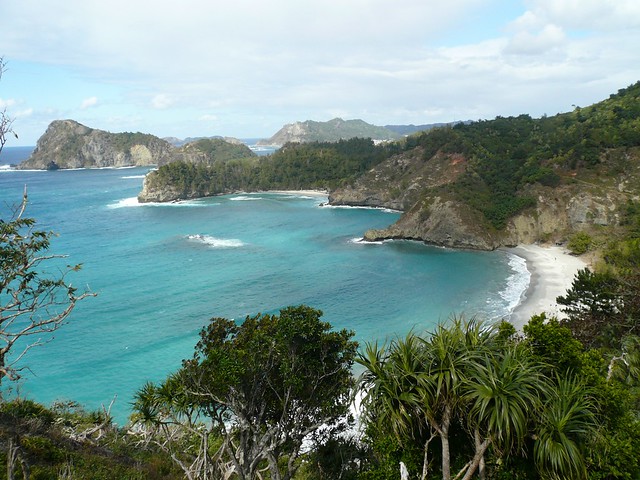
4. Ogasawara Islands 小笠原群島 (2011)

This subtropical archipelago is located a thousand kilometers south from Tokyo and it takes as long as 25.5 hours by sea. A Japanese drifted on the sea discovered this place on 17th century but the land-shape was not same with today; a new volcanic island was formed in November 2013. You can enjoy relaxation here with a six-day tour including two nights at the ferry that runs once in every six days.


5. Hiroshima Peace Memorial (Genbaku Dome)
     原爆ドーム (1996)

This building, once the Commercial Exhibition Hall of Hiroshima Prefecture, was the only structure left standing near the bomb’s hypocenter after the atomic bomb attack to Hiroshima by the USA on August 6th, 1945. Though it inevitably reminds of miserable memories of the war, it’s definitely worth a visit to make wishes for world peace.


6. Itsukushima Shinto Shrine 厳島神社 (1996)

pixabay/DeltaWorks

The shrine, located in the island of Itsukushima, Hiroshima Prefecture, is a sacred place of Shinto, a Japanese Indigenous religion. It is most famous for the floating Torii gate and the view from it which is sometimes classified as one of the Three Views of Japan. Built in as early as 6th century, the shrine standing between mountain and sea is especially beautiful when it is half sunk on high tide.


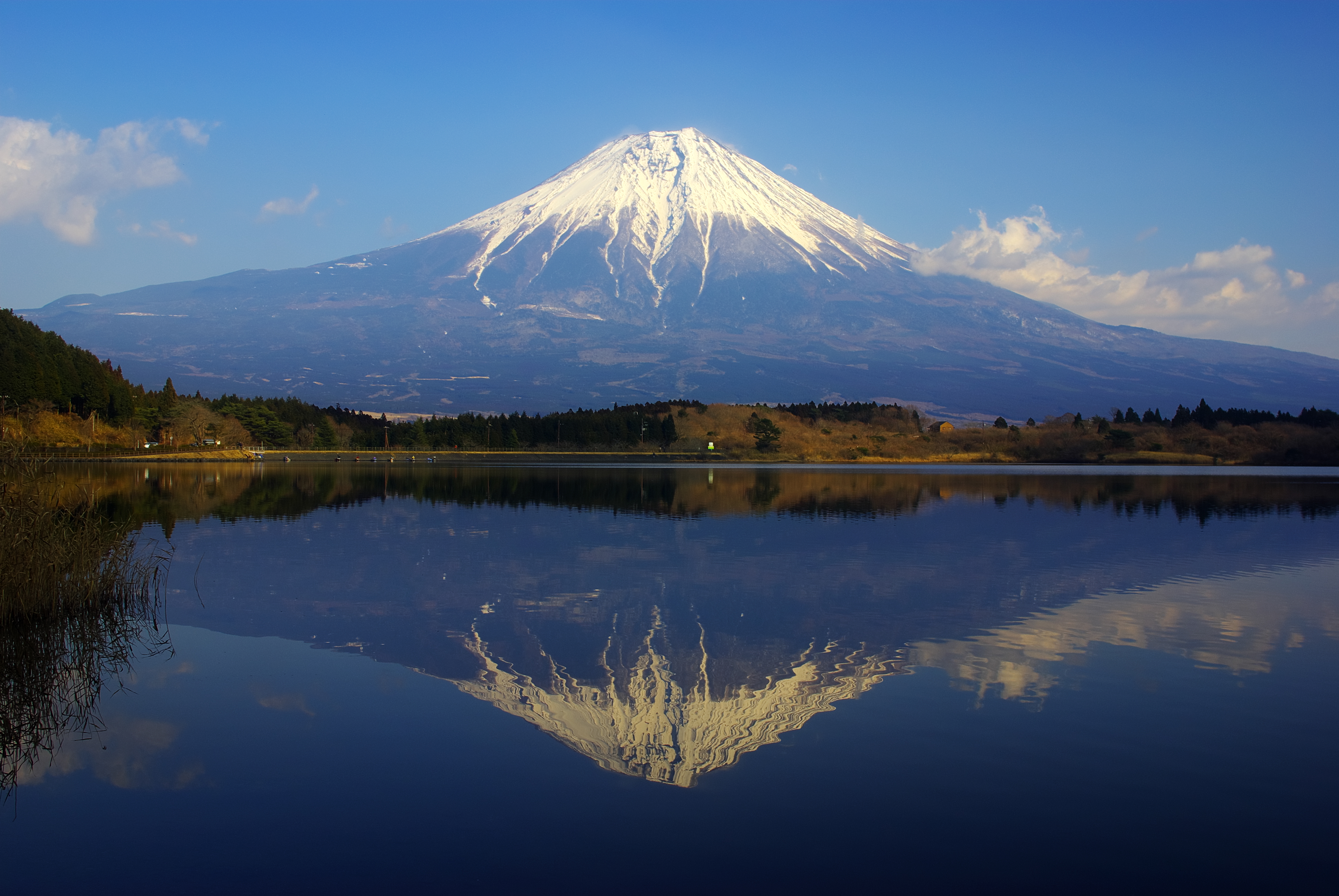
7. Fujisan, sacred place and source of artistic inspiration 
     富士山 (2013)

Mount Fuji, a dormant volcano, is the highest mountain in Japan at 3,776 m and one of Japan's Three Holy Mountains. The symbol of Japan was rejected from the UNESCO world heritage site due to issues including fly tipping around the mountain but finally got through in 2013 as a cultural rather than a natural heritage for its religious and cultural meaning to Japanese people.


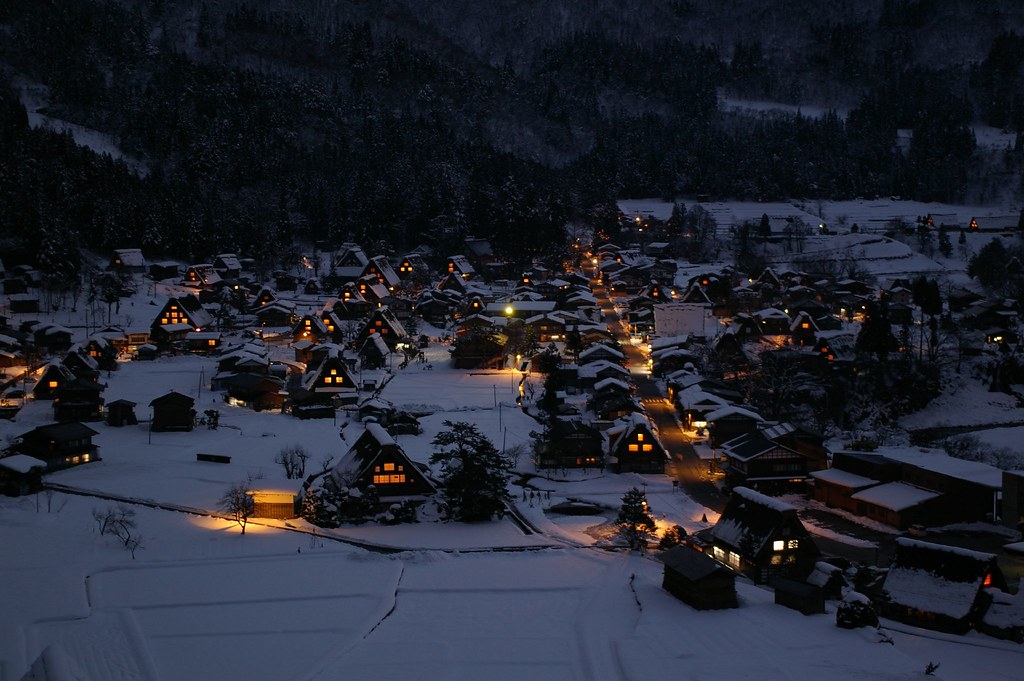
8. Historic Villages of Shirakawa-go and Gokayama 
     白川郷・五箇山の合掌造り集落 (1995)

Gassho-zukuri is one of traditional Japanese building styles that can be found in areas with heavy snow. The typical steeply peaked roof is made of eulalia plant, and the village people help each other for repair works once in 30~40 years in a form of a cooperative association called Yui (結). The villages in neighboring two regions were inscribed as the UNESCO world heritage site. Be careful not to bother the residents. It’s a real village.


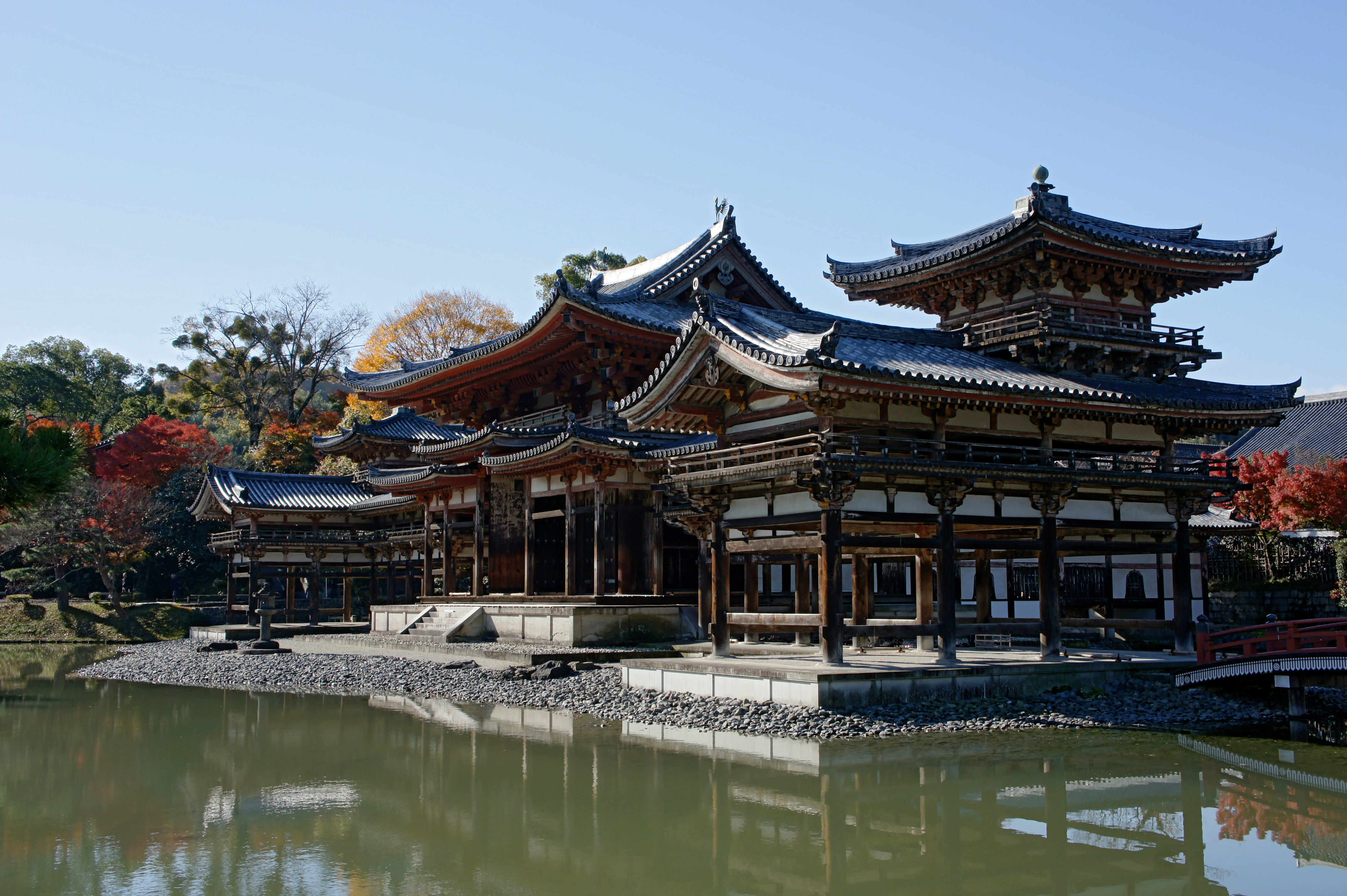
9. Historic Monuments of Ancient Kyoto 
    古都京都の文化財 (1994)
 

The 17 locations (13 Buddhist temples, 3 Shinto shrines and a castle) within the Kyoto vicinity were inscribed as the UNESCO world heritage site. Kyoto was the capital city of Japan for 1,100 years and has a substantial number of historic buildings luckily not affected by the destruction from World War II. This area is sometimes compared with the Gyeongju Historic Areas of South Korea.


Marcus 

He was born in Singapore and went to schools in China and Australia. Having Engineering background, he have worked in Japan and South Korea before finally settled in Seoul. When he is not working, he loves to go on a quick trip to anywhere he wants to go with his beautiful wife.

SINGAPORE WEATHER EVEN 4 YEAR OLD MY DAUGHTER ALREADY KNOWS

flickr
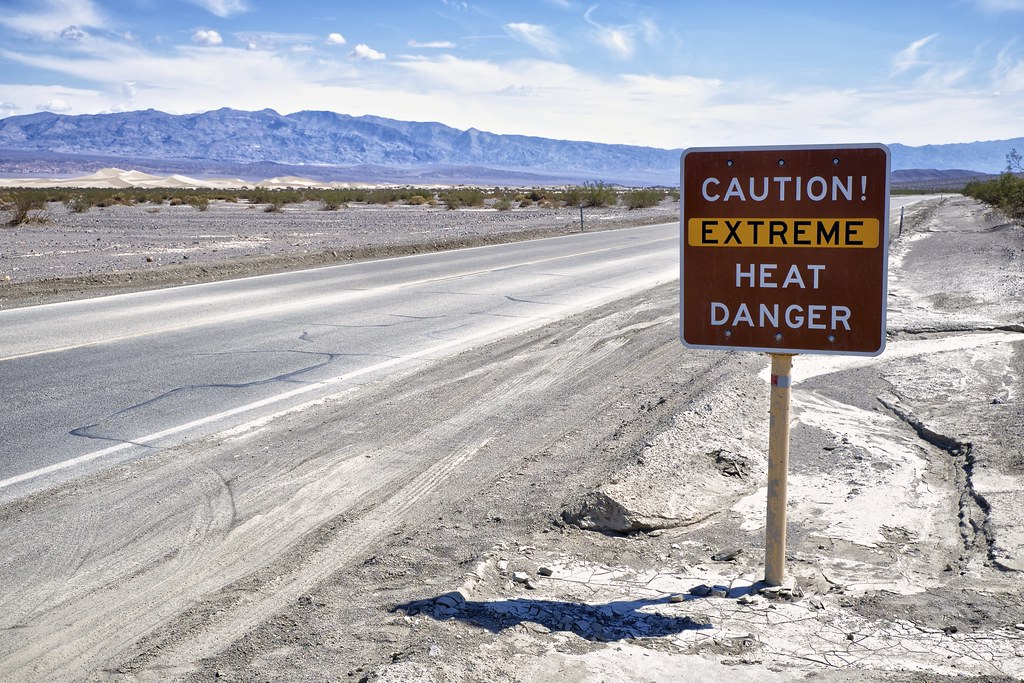
Singapore is always hot and what’s even worse is its extremely high humidity. For this is pretty much all you have to know, I dedicate this article to those who have to know all the info before they travel. If you are not one of them, there is no need to waste time so just read other articles that actually matter.


Weather at a glace

It’s hot everyday with average day high and low at 31 and 24 degree Celsius. From Nov to January, it rains a lot more. Here are the three reasons why people hate Singaporean weather.    


1. Hot everyday

flickr
It’s not Africa hot, but Singapore is hot enough to make you feel like you don’t want to leave your comfortable hotel room with full air-conditioning. 


2. Humid

flickr
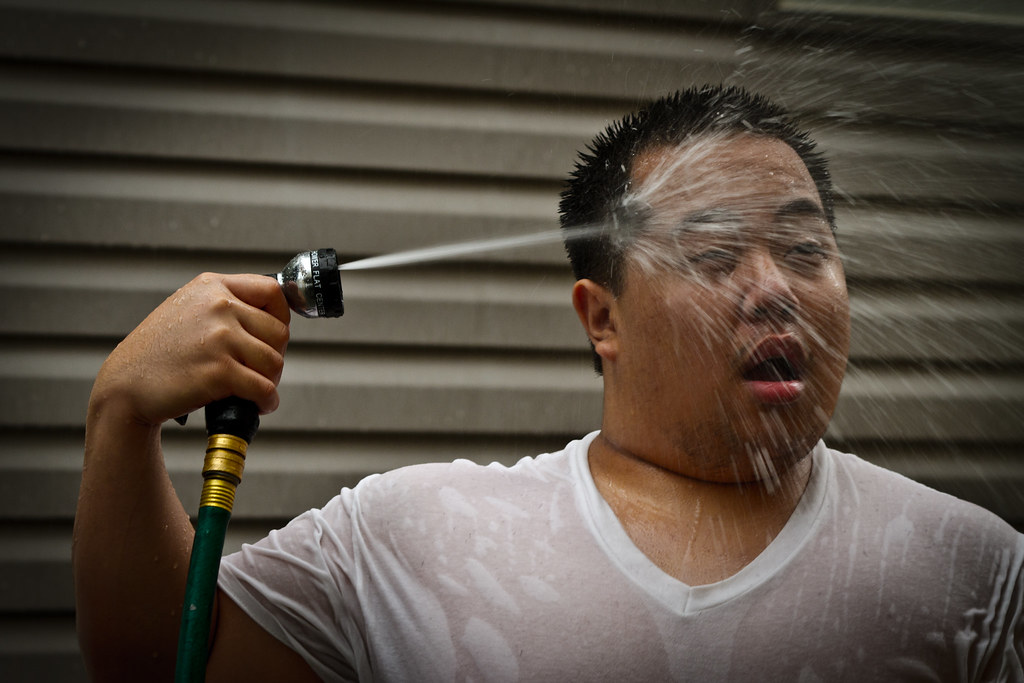
Even if you are from Saudi-Arabia and ok with Singapore’s heat, you would not stand its 85% humidity. It’s high enough to make you feel unpleasant and yell at your friend on trivialities.


3. Monsoon

From Nov to January, it rains almost every day. If you are in a situation you have to take leave and go on a holiday during that time, trying another country could be a good idea.  


Written By Joonmo Koo

He grew up in Thailand, Singapore, Korea and England. The outgoing traveler writer with a great vision and insight in nightlife has been to pretty much all the clubs in Japan, Korea, Singapore, Hongkong, Thailand and Taiwan. He is eyeing to pioneer vast land of Chinese nightlife.  

SINGAPOREAN TOURIST VISA INFO THAT YOU MUST KNOW

Caution: The following content is written based on information as of December 20, 2015. Please visit the Website of the Singaporean Ministry of Foreign Affairs for the most updated visa information.

Some thousands years ago, there were times a man could go wherever his steps lead him moving from continents to continents and plant his feet on wherever he felt like to settle down. Nope, we can’t do that anymore. If you still miss those days, do your own research to downgrade yourself to an ape. Then, the soldiers on the borderline won’t bother you chasing, but scientists will. Here, I will talk about the legitimate way to reach Singapore retaining shape of Homo Sapiens Sapiens: get a visa.


Flickr/William Cho


Step 1: Identify yourself.


Flickr/Hernán Piñera

Are you going to Singapore for something else than a just trip? Are you a type of person who can’t live a day without chewing gum, spitting on the street or smoking indoor? If you go yes on any of these questions, have a second thought of traveling to Singapore. Don’t even bring them into Singapore.


Step 2: Look at the below map to see if you can visit without visa


Wikimedia

You are not so nonchalant about yourself as to forget your own nationality, aren’t you? For lazy readers, above is the visa map they are looking for.

Singapore has somewhat complicated rules for visa. Among the visa required countries, it even subdivided them into two categories: assessment level 1, and 2. See what these stand for here.


Step 3: Check up the things that need to be done if you’re coming from a Yellow Fever or Ebola danger zone.


It’s not about Asian fetish. The Yellow Fever is an acute mosquito-transmitted disease that causes fever, nausea, and even bleeding and brain dysfunction. Singapore is also one of those countries that require a valid yellow fever vaccination certificate. If you’re coming from any of countries in danger of the Yellow Fever (the country list is here), you need one before travel.

Have you recently visited to Guinea, Liberia and Sierra Leone? Regarding Ebola, those who are coming from these countries may find it difficult to obtain a Singaporean visa. It is a recently-enacted policy.


Step 4: Apply for visa


Naver Blog/jjinsseon


Before applying for visa, see if you have these:

  • A valid passport that holds good for 6 months from the time of departure
  • An onward or return ticket 
  • Sufficient funds to stay in Singapore

Then,
Sub-step 1: make sure you have a photo of you less than 3 month old and complete the form 14A here.

Sub-step 2: Complete the form V39A here.

Sub-step 3: Copy the biodata page of your passport that is valid for 6 months from the date of departure

Sub-step 4: Your local contact's Singapore Identity Card (original and photocopy). Your local contact could be your family, friend, business partner, or anyone who can help you get back to your home country.

Sub-step 5: go to the online visa application website by clicking on this. The guideline can be found here.


Step 5: Pack it up & go


You’ve just completed the lessons of how to get a Singaporean visa. What are you waiting? Now, plan your own trip that you have been dreaming of.


Written  by Gibbon


Born in Korea, he grew up in Korea, Singapore, and Malaysia. This young self-appointed ascetic abandoned his university and is currently on his spiritual journey in search of true meaning of life roving from mountains to mountains. His weather-torn and hair-covered appearance reminds of some mystical Bigfoot and he looks 20 years older than he is.